2026 How to Choose the Best Plastic Grating for Your Needs?
Choosing the right plastic grating can be essential for various applications. With numerous options on the market, it can feel overwhelming. Understanding your specific needs is crucial. Different projects will require different materials, designs, and load capacities.
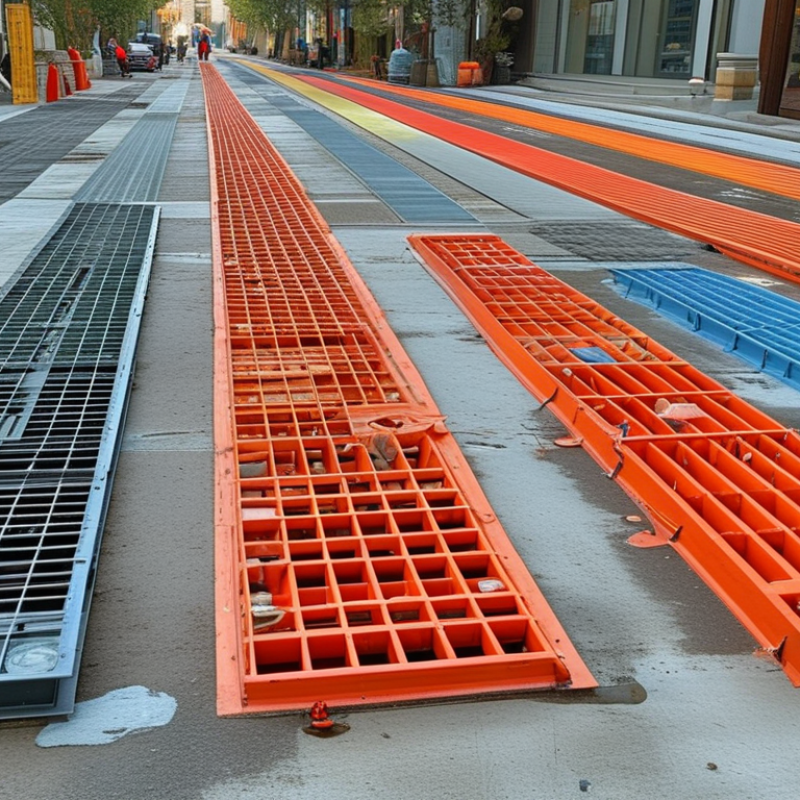
Plastic grating is known for its durability, corrosion resistance, and lightweight properties. It's commonly used in flooring, walkways, and drainage systems. However, not all plastic gratings are created equal. Some may not withstand heavy loads or extreme weather. It’s important to evaluate each type carefully. Reflecting on your previous experiences with plastic grating can guide your choice. Have you faced issues with slip resistance? Or perhaps you struggled with installation?
Selecting the best plastic grating means considering multiple factors. These include the environment where it will be used, load requirements, and aesthetics. Being informed can prevent costly mistakes. Ultimately, the right decision ensures safety and efficiency in your project.
Understanding Plastic Grating Materials: Types and Properties
When selecting plastic grating, understanding the materials is crucial. Various types of plastic grating exist, each tailored for specific applications. For instance, fiberglass reinforced plastic (FRP) grating excels in strength and corrosion resistance. According to the Plastic Grating Industry Report 2022, FRP can outperform steel in many environments. This makes it a popular choice for chemical plants and wastewater treatment.
Polypropylene and polyethylene are common materials used in plastic grating. Polypropylene is lightweight and resistant to chemical damage, ideal for food processing areas. On the other hand, polyethylene offers excellent durability and UV resistance, making it suitable for outdoor applications. The annual industry growth rate for plastic grating is estimated at 6.5% due to rising demand across various sectors.
It's also essential to consider load-bearing capacity and slip resistance when choosing the right grating. The American Society for Testing and Materials (ASTM) provides guidelines for evaluating these properties. However, many users overlook these standards, sometimes resulting in costly errors. Choosing the wrong material can lead to accidents or increased maintenance costs. Therefore, careful evaluation of the project requirements is necessary to ensure optimal performance and safety.
Key Factors to Consider for Selecting Plastic Grating: Load and Span
When selecting plastic grating, understanding load and span is crucial. Load refers to the weight the grating can support. It is influenced by factors such as material strength and design. For example, heavier loads require thicker and more robust grating. As a rule of thumb, always analyze the specific application before making a decision.
Span, on the other hand, relates to the distance between supports. A longer span can reduce material costs but may compromise strength. Ideally, choose a span that matches your load requirements. Testing different configurations can yield surprising results. It’s beneficial to seek expert advice when in doubt.
It’s important to remember that not all grating options are created equal. Certain types may perform poorly under specific conditions. Reflect on the environment and potential wear factors. Regular evaluations after installation can help ensure long-term reliability. Adopting a flexible approach can lead to better installation outcomes over time.
Impact of Environmental Conditions on Plastic Grating Performance
Choosing the best plastic grating requires understanding how environmental conditions affect its performance. Plastic grating can be used in various settings, but the environment plays a critical role. UV exposure can degrade some materials, leading to reduced strength and lifespan. In wet conditions, certain plastics may become slippery, posing safety risks. Evaluating these factors is essential for making an informed choice.
Environmental impact is significant. Regions with high moisture levels may benefit from specific types of plastic that resist rot and bacteria. In contrast, areas with extreme temperatures might require grating that can endure thermal expansion and contraction without warping. The right choice enhances durability and safety, which is crucial for industrial applications.
Tip: Consider conducting tests in your environment. This hands-on approach ensures the grating can withstand local conditions. Examine the wear and tear after a set period. This evaluation might reveal unexpected weaknesses. Always start with understanding your specific needs, rather than relying solely on general recommendations. Assessing these details can make a substantial difference in performance and longevity.
Cost Analysis: Budgeting for Plastic Grating Solutions
When considering plastic grating solutions, a cost analysis is crucial. Many factors influence pricing, including material types, manufacturing processes, and durability. Different projects may require varying grades of plastic, affecting your overall budget. For instance, high-density polyethylene may be more expensive but offers superior longevity and resistance to environmental conditions.
As you budget, it's important to assess both initial costs and long-term savings. Cheaper options might save you money upfront, yet they could demand frequent replacements. Analyzing lifecycle costs provides a clearer picture. A more expensive grating may lead to reduced maintenance fees, making it a wise choice in the long run. Establishing a budget that considers not only price but also value can yield significant benefits.
Exploring various suppliers can reveal disparities in pricing. Some may offer bulk discounts, while others focus on high-quality custom solutions. It's beneficial to request quotes and compare. However, don't overlook the quality of the products. Sometimes, the cheapest option may end up costing more due to poor performance. Reflect on your specific needs and review potential choices carefully.
Safety Standards and Regulations for Industrial Plastic Grating Applications
When choosing plastic grating for industrial applications, understanding safety standards is crucial. Various industries are governed by regulations that dictate the performance and characteristics of materials used on work sites. The Occupational Safety and Health Administration (OSHA) provides guidelines that ensure safety and minimize risks. Compliance with these guidelines can significantly reduce workplace accidents.
Additionally, the American National Standards Institute (ANSI) sets standards that focus on the strength and load-bearing capacity of plastic grating. These specifications help ensure that the grating can withstand the demands of heavy equipment and foot traffic. It's essential to consider these ratings when selecting grating for environments like factories or construction sites. Failure to comply can lead to serious consequences.
Unfortunately, many companies overlook these regulations. They may prioritize cost savings over safety, which can lead to tragic outcomes. Regular training and education about these standards can foster a culture of safety. Recognizing the importance of compliance with safety standards is vital for any organization. The responsibility lies not only in meeting the minimum requirements but also in continually assessing the materials used in operations.
2026 How to Choose the Best Plastic Grating for Your Needs? - Safety Standards and Regulations for Industrial Plastic Grating Applications
| Grating Type |
Load Capacity (lbs) |
Material Composition |
Slip Resistance Rating |
Chemical Resistance |
Standard Compliance |
| Fiberglass Reinforced Plastic (FRP) |
3000 lbs |
Fiberglass, Polyester Resin |
High |
Excellent |
OSHA, ADA |
| Polypropylene |
1500 lbs |
Polypropylene, UV Stabilizers |
Moderate |
Good |
ASTM, ISO |
| Polyvinyl Chloride (PVC) |
2000 lbs |
PVC, Additives |
Low |
Fair |
ANSI, ASTM |
| Polyethylene |
1000 lbs |
High-Density Polyethylene (HDPE) |
Moderate |
Good |
ISO, CE |