
Specialty Metal & Fiberglass Products
ISO 9001:2015 Certified
Cart
China Top 10 Metal Grate Manufacturers for Global Buyers
For global buyers, choosing a reliable metal grate manufacturer in China requires more than comparing catalog prices. A grate may cover a factory walkway, drainage channel, platform, or stair landing. Its performance depends on steel grade, load rating, welding quality, surface treatment, and dimensional accuracy. Small gaps matter. This guide introduces ten Chinese manufacturers serving international projects and procurement teams.
The selection considers manufacturing experience, export capability, product range, customization, certifications, and communication practices. It also examines practical details, including bearing bars, cross bars, panel sizes, serrated surfaces, and fixing clips. These details influence installation speed, worker safety, corrosion resistance, and long-term maintenance. Experienced suppliers should provide clear drawings, material information, inspection records, and dependable packaging. Photos alone are not enough. A polished website can still hide inconsistent tolerances or unclear delivery responsibilities.
China’s metal fabrication sector offers strong production capacity, competitive costs, and broad customization options. However, buyers must verify each claim against samples, factory evidence, and project requirements. The “top” ranking is therefore a practical reference, not an absolute judgment. Supplier strengths may change with order volume, region, material choice, and quality-control discipline. That limitation deserves attention. By comparing these ten manufacturers carefully, buyers can narrow risks before requesting quotations or approving production. A sound decision begins with fit, evidence, and honest technical discussion.
What Metal Grates Are and Why Chinese Manufacturers Matter
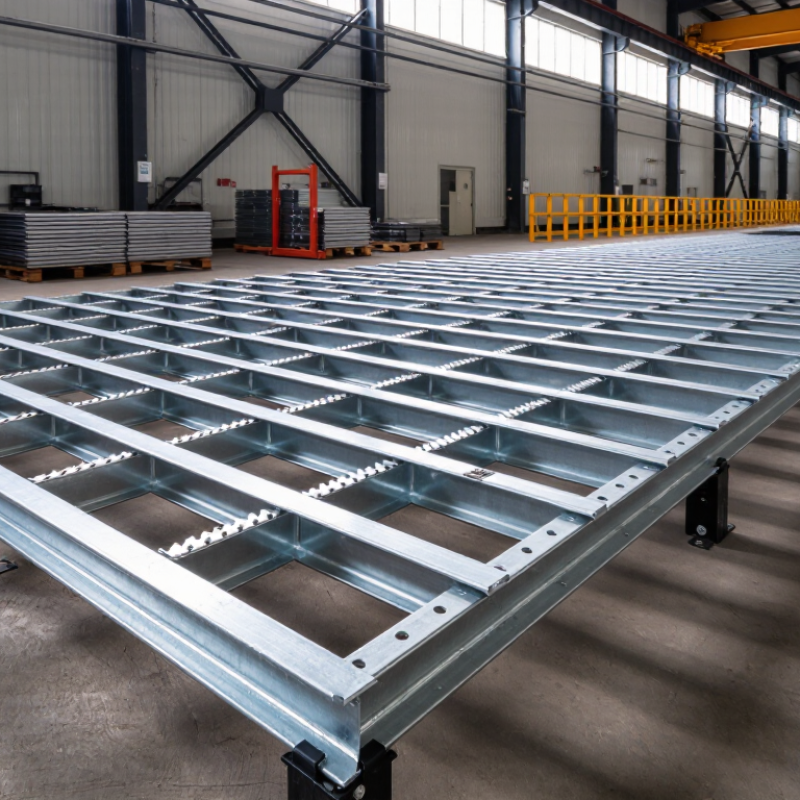
Metal grates are open-grid panels made from steel, aluminum, or other durable metals. They support people, equipment, drainage, and airflow. Common examples include walkway grating, stair treads, trench covers, and platform flooring. Their surface may be smooth, serrated, or pressed with anti-slip patterns. Each detail affects safety, load capacity, cleaning, and long-term maintenance.
Chinese manufacturers matter because many combine material sourcing, cutting, welding, pressing, galvanizing, and inspection in one supply chain. This structure can support flexible production and competitive pricing for global buyers. Experienced factories usually work from load tables, technical drawings, and corrosion requirements. They can also adjust bar spacing, panel dimensions, edge frames, and surface treatments. However, lower cost does not automatically mean better value. A drawing may overlook drainage, installation clearance, or local standards.
Tips: Ask for material certificates, load data, coating thickness, and inspection records. Confirm whether dimensions are nominal or actual. Request a sample panel when tolerances are critical. Check packaging carefully, especially for sharp edges and humid sea transport. A reliable supplier should explain limitations clearly, not promise everything. Small mistakes matter here. A grate that fits poorly can create vibration, water buildup, or difficult replacement work. Buyers should compare production evidence, communication quality, and after-sales support alongside the quoted price.
China Top 10 Metal Grate Manufacturers for Global Buyers – What Metal Grates Are and Why Chinese Manufacturers Matter
| Rank | Manufacturer Capability Profile | Primary Grate Type | Common Materials | Typical Bearing-Bar / Mesh Dimensions | Manufacturing Method | Relevant Standards | Typical Global Applications |
|---|---|---|---|---|---|---|---|
| 1 | Heavy-duty industrial grating capability | Welded steel bar grating | Carbon steel; hot-dip galvanized steel | Bearing bars commonly 25–50 mm deep and 3–6 mm thick; 30 or 40 mm cross-bar spacing is widely specified | Resistance welding followed by cutting, banding, and surface treatment | ANSI/NAAMM MBG 531; ASTM A36 or equivalent structural steel; ASTM A123/A123M for hot-dip galvanizing | Factories, platforms, walkways, power plants, and industrial maintenance areas |
| 2 | Architectural and corrosion-resistant grating capability | Stainless-steel bar grating | 304 stainless steel; 316 stainless steel for chloride-rich environments | Common bearing-bar depths include 25, 30, and 40 mm; aperture spacing is selected according to load and pedestrian-safety requirements | Welding or press-locking with pickling, passivation, or mechanical finishing | EN ISO 14122-2; ASTM A240 for stainless plate and sheet; project-specific load standards | Food processing, chemical plants, wastewater facilities, marine areas, and public architecture |
| 3 | High-precision press-locked grating capability | Press-locked grating | Mild steel, galvanized steel, aluminum, and stainless steel | Cross bars are commonly 5–8 mm square or rectangular sections; panel spacing is customized for drainage and appearance | Notching and hydraulic pressing without continuous welds at every intersection | EN ISO 14122-2; ASTM A36 or equivalent where carbon steel is used | Commercial walkways, ceiling panels, ventilation platforms, and decorative flooring |
| 4 | Swage-locked and serrated-surface grating capability | Swage-locked grating with anti-slip surface | Aluminum, carbon steel, galvanized steel, and stainless steel | Bearing-bar depths commonly range from approximately 25 to 50 mm; serrated bars are used where additional slip resistance is required | Mechanically locked twisted or grooved cross bars with optional serrated bearing bars | ANSI/NAAMM MBG 531; EN ISO 14122-2; applicable aluminum or steel material specifications | Oil and gas facilities, ramps, stair landings, wet work areas, and industrial platforms |
| 5 | Drainage and trench-cover fabrication capability | Trench drain and linear-channel grating | Galvanized steel, ductile iron, stainless steel, and aluminum | Typical clear openings are selected for pedestrian, bicycle, wheelchair, or vehicle loading; slot widths must match the specified safety class | Welding, stamping, casting, or laser cutting combined with formed support frames | EN 1433 for drainage channels; EN 124 for gully and manhole covers; local accessibility requirements | Roads, parking areas, airports, pedestrian zones, commercial kitchens, and landscape drainage |
| 6 | Stair-tread and access-system fabrication capability | Metal stair treads and nosings | Galvanized steel, painted carbon steel, aluminum, and stainless steel | Common tread depths are approximately 240–305 mm; widths and fixing-hole layouts are project-specific | Cut-to-size grating with welded end plates, nosing bars, and pre-drilled fixing holes | EN ISO 14122-3; OSHA requirements where applicable; project structural calculations | Industrial stairs, fire escapes, mezzanines, maintenance ladders, and utility structures |
| 7 | Expanded-metal screening capability | Expanded metal grate and walkway panels | Carbon steel, galvanized steel, aluminum, and stainless steel | Common sheet thicknesses are approximately 1.5–6 mm; long-way and short-way opening sizes are specified separately | Slitting and stretching a single metal sheet to form a continuous diamond pattern | ASTM F1267 for expanded metal; applicable steel, aluminum, or stainless material standards | Machine guards, platforms, fencing, ventilation screens, and architectural façades |
| 8 | Perforated-metal panel capability | Perforated metal flooring and screening | Carbon steel, galvanized steel, aluminum, and stainless steel | Round, square, or slotted holes are available; open area depends on hole diameter, pitch, and sheet thickness | CNC punching or rotary perforation followed by leveling and edge finishing | ASTM F1267 where expanded-metal requirements apply; project-specific perforated-sheet specifications | Acoustic screens, equipment guards, air-intake panels, platforms, and architectural cladding |
| 9 | Fine-mesh and screening-grate capability | Woven wire mesh panels and safety screens | Stainless steel, galvanized steel, and low-carbon steel | Mesh openings range from fine screening sizes to larger industrial apertures; wire diameter and opening size must be specified together | Plain weaving, crimped weaving, welding, panel cutting, and framed assembly | ASTM E2016 for industrial wire cloth terminology; ISO 4783 for industrial wire screens | Screening equipment, machine protection, filtration, ventilation, and security partitions |
| 10 | Custom-engineered modular grating capability | Bolted, removable, and framed grate assemblies | Galvanized steel, stainless steel, aluminum, and painted carbon steel | Panel sizes, support spans, load ratings, clips, hinges, and lifting points are engineered to project drawings | CAD-based fabrication, CNC cutting, welding, drilling, frame assembly, and dimensional inspection | ANSI/NAAMM MBG 531; EN ISO 14122; ISO 9001 quality-management practices where certified | Modular platforms, removable access covers, offshore structures, utilities, and export construction projects |
Note: Dimensions and material combinations shown are commonly specified industry ranges rather than guarantees for every supplier. Final grate selection should be confirmed against span, uniformly distributed load, concentrated load, deflection limit, corrosion environment, slip resistance, and the governing local code.
Related Posts
-

Top 10 Uses of Steel Grating in Construction and Industry?
-
2026 Best Steel Grating Options for Your Projects and Applications?
-

2026 Top Steel Grating Trends for Global Buyers to Watch
-
How to Choose the Best Metal Grate for Your Needs?
-
2025 Top Uses of Steel Wire Mesh: Applications, Benefits, and Trends
-
China Top Perforated Steel Sheet Supplier for Global Buyers