Cart

What Are the Top 10 Types of Aluminum Stair Treads?

Choosing among the top 10 types of aluminum stair treads requires more than comparing surface patterns. Each design responds to different conditions, including indoor traffic, outdoor rain, industrial debris, and heavy footwear. Diamond-plate treads offer familiar raised patterns, while serrated and perforated options can improve drainage and traction. Abrasive strips, cast treads, extruded profiles, and replaceable nosings solve different maintenance problems.

Slip-and-fall safety consultant Steven DiPilla offers a useful reminder: “A safe stair is designed for the person using it, not merely the material covering it.” That principle guides this practical comparison of aluminum stair treads. It shifts attention toward real footsteps, wet edges, exposed fasteners, and worn nosings. Small details matter.

No single tread wins every project. A factory stair may need aggressive serration, while a public entrance may require better comfort and visual contrast. Some products look durable but collect dirt inside their openings. Others drain well but feel harsh under thin-soled shoes. That trade-off deserves honest attention.

This guide examines ten common tread types, their traction systems, construction methods, installation needs, and suitable applications. It also considers corrosion exposure, cleaning effort, load demands, and long-term replacement costs. The ranking is useful, but not absolute. Site conditions can change the decision. Even experienced specifiers occasionally choose a tread by appearance first, then rethink it after the first rainy week.
What Are the Top 10 Types of Aluminum Stair Treads?

What Defines an Aluminum Stair Tread?

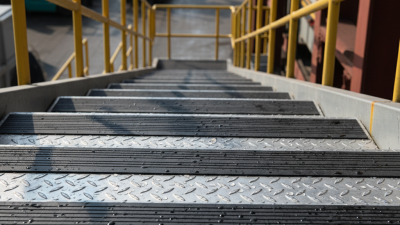
An aluminum stair tread is a protective, slip-resistant surface fitted over a stair step. It usually covers the walking area and extends across the front edge, called the nosing. Aluminum keeps the tread relatively light, resists corrosion, and handles frequent foot traffic. It is not simply a flat metal plate. Its surface pattern, thickness, edge profile, and fastening method define its performance.

The top ten types usually differ by surface and purpose: smooth plate, diamond plate, perforated plate, serrated bar, abrasive-strip tread, cast-texture tread, stair nosing, retrofit tread, heavy-duty tread, and drainage tread. A serrated design can improve grip when water or dirt is present. Perforations help liquid escape, especially on outdoor steps. Abrasive inserts provide stronger traction, but they may feel harsh under soft footwear. Small details matter.

During site checks, I look for loose edges, packed dirt, sharp corners, and movement underfoot. A tread should fit the stair width without creating a raised trip hazard. Fasteners need suitable spacing and secure anchoring for the substrate. Thickness should match expected traffic, equipment use, and impact exposure. Local building requirements still matter, because one design may suit a warehouse but fail on a public staircase. I once assumed a heavily textured tread was always safer. It was not; poor cleaning made the grooves slippery. There is no perfect tread. Fit, drainage, maintenance, and installation must work together.

What Are the Top 10 Types of Aluminum Stair Treads?

Aluminum stair treads are defined by their alloy construction, tread profile, surface texture, drainage design, and method of installation. The chart compares common tread types using practical performance characteristics on a 1–5 scale.

Scores are comparative design indicators: 1 means lower typical performance and 5 means higher typical performance. Actual results vary with alloy, surface treatment, tread depth, installation, loading, and maintenance.

How Are Aluminum Stair Treads Classified?

What Are the Top 10 Types of Aluminum Stair Treads?

How Are Aluminum Stair Treads Classified?

Aluminum stair treads are classified by surface pattern, structure, installation method, and intended location. The categories can overlap. A tread may be serrated and perforated, or bolt-on with an abrasive insert. This is often missed in simple product lists.

The ten common types include plain plate, diamond-plate, serrated, perforated, expanded-metal, abrasive-insert, full-width, stair-nosing, bolt-on, and cast-in treads. Plain plate suits clean indoor areas. Diamond patterns add moderate traction. Serrated profiles create sharper edges for wet steps. Perforated and expanded-metal designs drain rain and debris quickly. Abrasive inserts improve grip where users carry heavy loads.

Full-width treads cover the complete step surface. Nosing treads protect the front edge and support safer foot placement. Bolt-on models allow replacement without removing the entire stair assembly. Cast-in treads sit within concrete or masonry during construction. From field inspections, I check drainage, edge height, fastener access, and walking direction before choosing a type.

Material thickness and alloy also affect performance. A thin tread may flex under repeated traffic. A thick one can add unnecessary weight and cost. Classification alone cannot confirm suitability. Engineers should verify load requirements, span, slip resistance, corrosion exposure, and local building rules. Some product descriptions simplify these details too much. I would also recheck abrasive inserts regularly, because wear can appear before the aluminum shows visible damage.

What Are the Top 10 Types of Aluminum Stair Treads?

What Are the Top 10 Types of Aluminum Stair Treads?

Aluminum stair treads vary by surface, shape, and installation method. The ten practical types include solid plate, serrated, perforated, expanded metal, cast aluminum, extruded, abrasive-grit, nosing, ladder-style, and replaceable insert treads. Each suits a different environment.

Solid plate treads handle regular indoor traffic. Serrated and perforated designs drain water and reduce contamination underfoot.

Expanded metal offers useful airflow, though small heels may feel less stable. Cast aluminum provides strength but usually costs more.

Abrasive-grit treads add a rough bonded surface for wet areas. Extruded treads create consistent profiles and clean edges. Nosing-only products protect the front edge, but they cannot correct a weak stair structure.

Ladder-style treads work well on service platforms, not every public staircase.

Replaceable inserts simplify maintenance after surface wear.

The ranking is not absolute. Site conditions matter more than appearance.

The U.S. Bureau of Labor Statistics recorded 885 fatal workplace falls, slips, and trips in 2023.

This figure supports careful tread selection, especially in industrial settings. OSHA 29 CFR 1910.25 also requires stairways to support five times their expected load, with at least 1,000 pounds supported.

Standard tread depth and riser dimensions deserve equal attention.

A highly abrasive surface can improve traction, yet it may increase shoe wear.

I would test samples with wet footwear before specifying large quantities.

Small details often decide whether a tread performs well.

How Do Aluminum Stair Tread Types Differ in Performance?

What Are the Top 10 Types of Aluminum Stair Treads?

How Do Aluminum Stair Tread Types Differ in Performance?

Aluminum stair treads differ mainly in grip, drainage, strength, noise, and maintenance. Plain extruded treads offer clean lines and moderate traction for dry indoor stairs. Serrated extruded treads cut through water, mud, and light ice more effectively. Perforated treads drain quickly, while expanded-metal treads provide open airflow and lower weight.

Grip matters.

Cast abrasive treads contain hard particles that maintain traction under heavy foot traffic. Formed sheet treads are economical and easy to shape, but their surface may wear sooner. Diamond-plate treads resist dents and suit industrial areas, although raised patterns can collect dirt. Ladder-style aluminum treads improve drainage and reduce material use, yet they may feel less stable under narrow footwear. Abrasive-nose treads focus traction at the step edge, where slips often begin. Anti-slip coated treads deliver strong grip, but coatings can require periodic inspection and replacement.

Performance depends on more than the tread pattern. A wide serrated profile may outperform a finer pattern outdoors, but it can feel uncomfortable in bare feet. Perforations should match the expected load and cleaning method. In coastal or chemical environments, aluminum resists corrosion, though fasteners and cut edges still need attention.

Field inspections often find loose fixings, blocked openings, or poorly aligned nosings.

These details matter.

Selecting a tread requires checking traffic volume, moisture, footwear, support spacing, and local safety requirements. No type wins every test.

How Can You Choose the Right Aluminum Stair Tread?

Choosing the right aluminum stair tread starts with the stair’s actual conditions, not its appearance. Common options include plain, ribbed, perforated, punched, abrasive-filled, nosing, angle, replacement, glow-in-the-dark, and heavy-duty treads. Each type serves a different need. Ribbed surfaces suit sheltered indoor stairs, while perforated treads help remove rain, mud, and snow outdoors. Abrasive inserts provide stronger grip where footwear often becomes oily or wet.

Measure each step carefully. Check tread width, nosing depth, riser height, and the available fixing area. A tread that is slightly too narrow may leave a dangerous exposed edge. Aluminum thickness also matters. Light-duty profiles can work in homes, but warehouses and public access stairs need stronger load resistance.

Review the manufacturer’s load data, surface treatment, fastener compatibility, and drainage design. In practical inspections, loose screws and poor drainage cause more trouble than the metal itself. I once saw a well-made tread fail early because water remained beneath its edge.

Tips: Match the tread to traffic, weather, footwear, and cleaning routines. Test a sample under wet conditions before ordering many pieces. Avoid relying only on a shiny finish; glare can hide worn grip. Confirm that the stair structure can support the selected fixing method. Local building requirements may also affect dimensions, contrast markings, and slip resistance. Inspections should continue after installation, because even suitable aluminum treads need cleaning, tightening, and periodic wear checks.

Skip to content