Cart

2026 Best Perforated Stainless Steel Suppliers?

Choosing the right supplier can shape an entire perforated stainless steel project. Material quality affects strength, appearance, airflow, maintenance, and installation time. In 2026, buyers need more than attractive catalog images or low quoted prices. They need evidence.

This guide examines suppliers through practical purchasing criteria. These include stainless steel grades, sheet thickness, hole diameter, pitch, open area, edge margins, and dimensional tolerance. Reliable manufacturers should provide mill certificates, inspection records, and clear production samples. Ask about 304 and 316L availability. Confirm whether testing covers chemical composition, flatness, burr control, and corrosion resistance. Small details matter. A sharp edge can delay installation. Poor packaging can damage a finished surface before delivery.

Supplier experience also deserves close attention. Manufacturers serving filtration, architecture, food processing, and industrial equipment often understand different performance demands. Their technical teams should explain tooling limits, custom patterns, minimum order quantities, and realistic lead times. A polished website proves little. Verified factory information, transparent communication, and consistent after-sales support matter more. Customer feedback can help, but it should be checked carefully because not every review reflects comparable specifications.

No supplier is perfect. Prices change. Production schedules shift. Even a respected factory may struggle with an unusual pattern or urgent order. This comparison therefore avoids treating rankings as permanent facts. Instead, it highlights suppliers that demonstrate dependable quality, technical knowledge, traceability, and responsive service. Before placing an order, request current samples and written specifications. That extra step may prevent an expensive mistake.
2026 Best Perforated Stainless Steel Suppliers?

What Defines a High-Quality Perforated Stainless Steel Supplier in 2026

In 2026, a high-quality perforated stainless steel supplier offers more than attractive samples. The real test begins with traceable material, controlled production, and clear technical communication. Ask for the stainless grade, coil or sheet origin, thickness tolerance, and finish specification. A dependable supplier can provide mill certificates, inspection records, and samples from current production.

Paperwork matters. Yet paperwork alone is not enough. Inspect the sheet. Look for clean hole edges, even spacing, flat surfaces, and consistent open area. Small burrs can damage filters, screens, and architectural panels during installation. An experienced supplier should explain how tooling, feed direction, and material hardness affect the result. That explanation reveals practical knowledge, not sales language.

Production capability also deserves close attention. Confirm maximum sheet size, repeatability, prototype support, and realistic lead times. Packaging should protect corners and surfaces from moisture, abrasion, and handling marks. Photos before dispatch are useful, but independent checks may still be wise for large orders. Do not choose only by price. A cheaper panel may create waste when holes drift or dimensions change between batches. Ideally, the supplier records corrective actions and responds plainly when something goes wrong. No supplier gets every detail right. That is why openness, measurable controls, and a willingness to review mistakes define quality more reliably than polished promises.

Key Stainless Steel Grades, Perforation Patterns, and Product Options

2026 Best Perforated Stainless Steel Suppliers?

Choosing a reliable supplier starts with the stainless steel grade. Grade 304 suits indoor panels, guards, and general fabrication. Grade 316L performs better near saltwater, chemicals, and persistent moisture. Grade 430 can reduce costs for dry, decorative applications. Duplex grades offer higher strength, but fabrication requirements may be more demanding. Always request material certificates, thickness records, and recent quality reports.

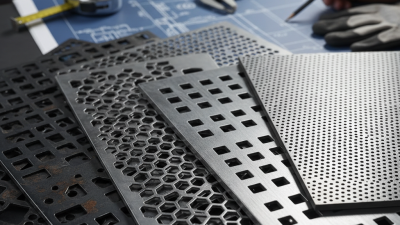
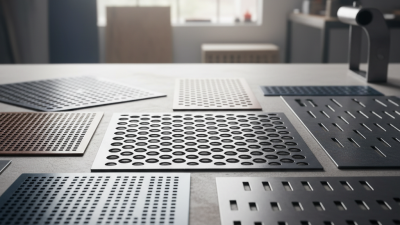
Perforation patterns change both appearance and performance. Round holes provide balanced airflow and strength. Square holes create a clean, modern visual effect. Slotted holes support directional ventilation and drainage. Staggered layouts usually offer higher open area than straight layouts. Product choices may include sheets, coils, cut panels, filter screens, machine guards, and custom assemblies. Confirm hole diameter, pitch, open-area percentage, edge margins, burr control, and flatness. Small details often affect installation costs. A supplier may look capable on paper, yet sample testing can reveal uneven edges or weak tolerances.

Tips: Match the grade to the environment, not only the budget. Ask for a physical sample before approving bulk production. Check whether cutting, bending, polishing, and protective film are available. Review packaging details, especially for thin sheets that can warp during transport. I would also question unclear certificates. A polished document does not replace independent inspection or practical testing. Mistakes happen, even with experienced teams.

How to Evaluate Supplier Quality, Certifications, and Manufacturing Capacity

2026 Best Perforated Stainless Steel Suppliers?

Choosing a perforated stainless steel supplier requires more than comparing prices. Check whether the supplier understands hole diameter, pitch, open area, sheet thickness, and edge tolerances. Request recent material certificates, not generic files. EN 10204 3.1 certificates can verify grade, heat number, and mechanical properties. ISO 9001 certification also matters, but it does not guarantee perfect production.

Ask for samples made with the same stainless steel grade, thickness, and perforation pattern as your project. Inspect the sheets under direct light. Look for burrs, uneven holes, waviness, and scratched surfaces. A capable factory should explain its punching, laser, or coil-processing limits clearly. It should also provide realistic monthly capacity, lead times, inspection records, and packaging details. A polished website proves little. Factory evidence matters more.

Tips: Ask for a live production video or independent factory audit. Confirm traceability from raw coil to finished sheet. Check how rejected panels are handled. Clarify whether tolerances are measured by sampling or by full inspection. Small details reveal supplier discipline. I have seen attractive samples fail during larger production because the tooling was worn. That risk deserves direct questions. A supplier that admits limitations may be more reliable than one promising everything. Still, certifications can expire, and inspection reports may not reflect your exact order. Verify them.

Pricing, Customization, Lead Times, and Global Shipping Considerations

2026 Best Perforated Stainless Steel Suppliers?

Pricing, Customization, Lead Times, and Global Shipping Considerations

Choosing a perforated stainless steel supplier requires more than comparing prices. In sourcing projects, I have found that material grade, sheet thickness, hole pattern, and open area strongly influence the final cost. Common choices include 304 stainless steel for general environments and 316L for higher corrosion resistance. A low quote may exclude tooling, edge trimming, inspection, or protective packaging. Details decide value.

Customization should be discussed before production begins. Confirm hole diameter, pitch, layout, tolerances, sheet dimensions, surface finish, and burr limits. Ask for a technical drawing and a production sample. Small changes can affect strength and material waste. Expect variation. Some suppliers promise every tolerance, then revise it after cutting. That is a warning sign, though not always proof of poor quality.

Lead times often depend on tooling availability, raw material stock, and approval speed. I usually request a staged schedule, including drawing approval, sampling, production, and inspection. Add buffer time for port congestion and holidays. For global shipping, clarify packaging strength, export documents, delivery terms, insurance responsibility, and destination charges. A supplier should provide traceable test reports and consistent communication. My own mistake was trusting an estimated delivery date without checking the shipping route. It looked efficient on paper. It was not.

2026 Best Perforated Stainless Steel Suppliers: Pricing, Customization, Lead Times, and Global Shipping

This chart compares indicative 2026 procurement benchmarks for commonly specified stainless steel grades used in perforated sheets. 316L generally carries the highest material cost because of its nickel and molybdenum content, while 430 is typically more economical. Custom hole patterns, tighter tolerances, special finishes, and tooling commonly add approximately 5–15 working days. Typical international ocean transit may add 25–45 days, depending on the origin, destination, port congestion, and shipping method. Prices and lead times are planning ranges rather than supplier quotations.

How to Compare and Select the Best Supplier for Your Project

2026 Best Perforated Stainless Steel Suppliers?

How to Compare and Select the Best Supplier for Your Project

Choosing a perforated stainless steel supplier requires more than comparing price per sheet. The International Stainless Steel Forum reported 58.4 million tonnes of crude stainless steel production in 2023. This scale makes traceability increasingly important. Ask for the material grade, heat number, thickness tolerance, and inspection records. For structural or architectural work, confirm whether test documents follow EN 10204 3.1 or the relevant ASTM standard. A neat sample is not enough.

Check perforation accuracy with calipers, not visual judgment. Measure hole diameter, pitch, open area, flatness, and edge quality. Request a production sample matching your final thickness and pattern. A supplier should explain tool wear, deburring, packaging, and replacement procedures. Small burrs can damage coatings or create installation risks. That detail matters.

Sustainability also deserves evidence. World Steel Association data commonly places steel production among major industrial carbon sources, so request energy, recycled-content, and emissions information rather than broad promises. Compare lead times using your actual order quantity, not a website estimate. Review quality-system certification, corrective-action records, and communication speed. I would also test a small batch before committing. That shortcut can fail when project tolerances are tight. Cheap material may become expensive after rework, delays, and rejected panels.

Skip to content